

Turning Your Service Team Into a Growth Engine
Laiye ACX is an AI-native enterprise platform that helps businesses resolve customer issues, build lasting customer relationships, and turn conversational insights into business growth
Turning Your Service Team Into a
Growth Engine
Laiye ACX is an AI-native enterprise platform that helps businesses resolve customer issues, build lasting customer relationships, and turn conversational insights into business growth

What is Robotic Process Automation (RPA)?
✓ Understand instructions better through natural language
✓ Make decisions with AI insights based on collective data
✓ Organize and execute tasks securely with more precision
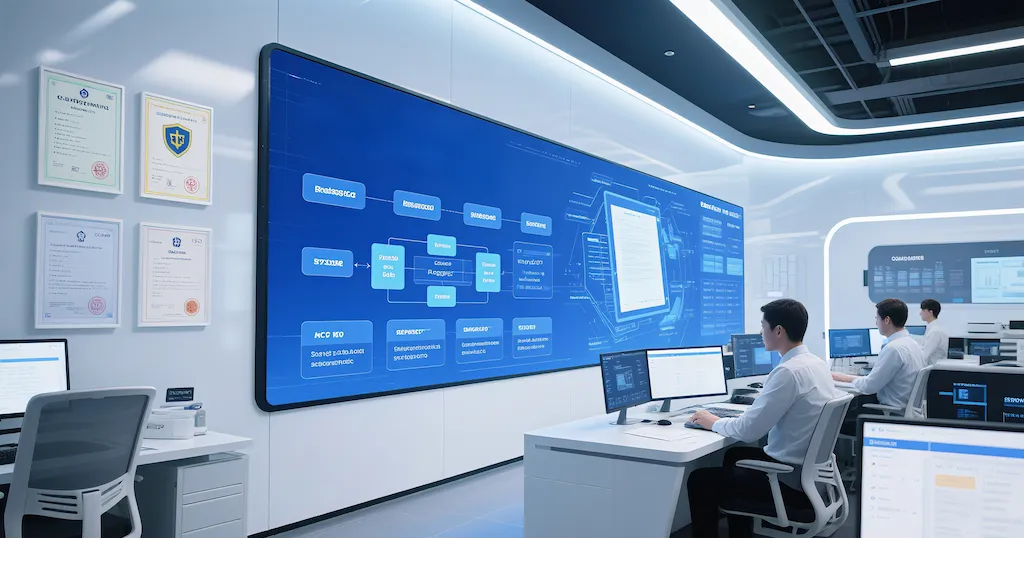
What is Intelligent Document Processing (IDP)?
Nowadays, IDP can draw conclusions or make predictions based on data from paper or electronic documents, which means you can form business insights by yourself.
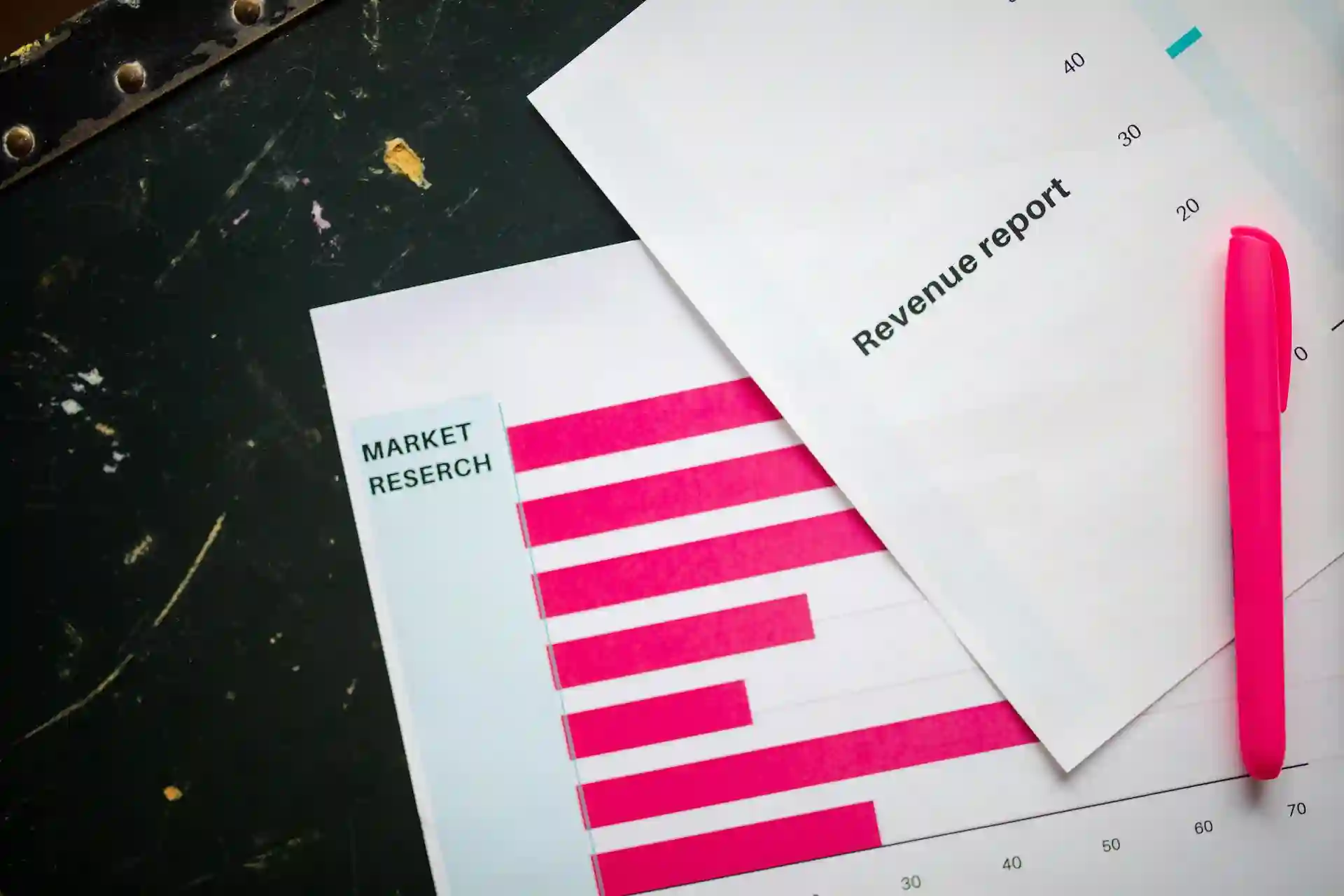
Six Core Capabilities of IDP





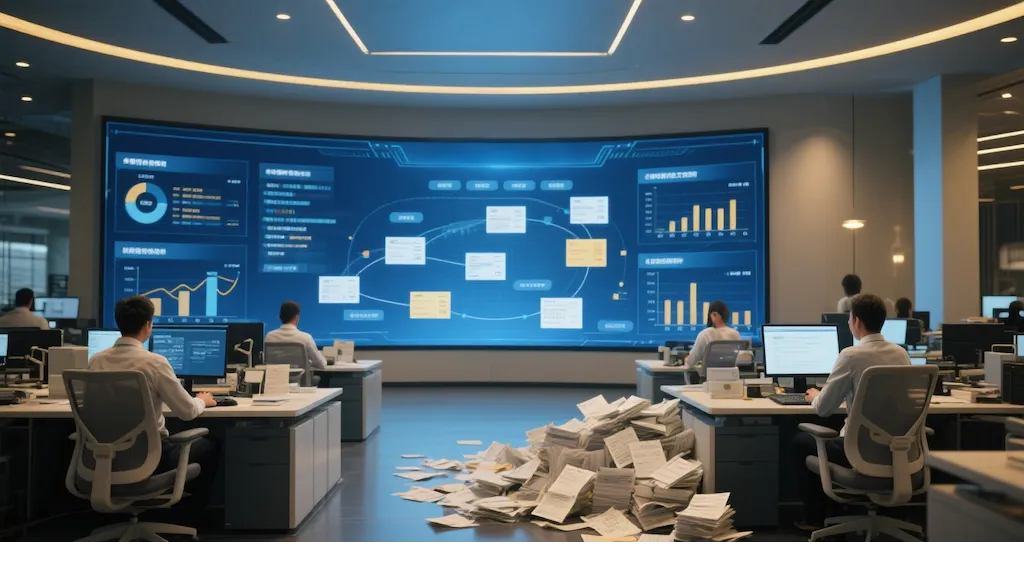
Core advantages
- Leading performance
Laiye IDP is powered by semantic understanding via LLMs and our unique OCR technology. Accuracy is ensured even in complex scenarios. - Enterprise-grade security
Certified by international standards such as ISO/IEC 27001. Reliability and data security is over 99.9%. - Trustworthy intelligence
Process documents with human feedback. Improve capability through self-learning and upgrades. - Open integration
Integrated with RPA and connected to open API and MCP, Laiye IDP can handle documents on various systems and applications.

Agentic Customer Experience (ACX)
Proven results across industries - from retail to government

Resolves order and return inquiries in one session with 85% auto-resolution

Handles appointment and coverage queries in 30s average, reducing repeat inquiries by 50%.

Navigates enrollment, prerequisites, and financial aid 24/7 with 80% self-service resolution.

Manages permit and policy follow-ups in multi-turn conversations, deflecting 60% of inquiries at 4.5 CSAT.

Processes 2M+ monthly inquiries for outage and plan requests, achieving 45% cost reduction.

Resolves cross-product queries like balance and loan eligibility with 70% first-contact resolution, 100% compliance.

Compares SKUs across specs and reviews in under 2 seconds, driving 3x conversion lift.

Equips outsourced agents with unified tools, cutting onboarding 35% faster while maintaining 4.6 CSAT.
Difference between types
floating authorization
binding machine
foating authorization
Difference between community and enterpise versions
Paradigm Shift in RPA Development
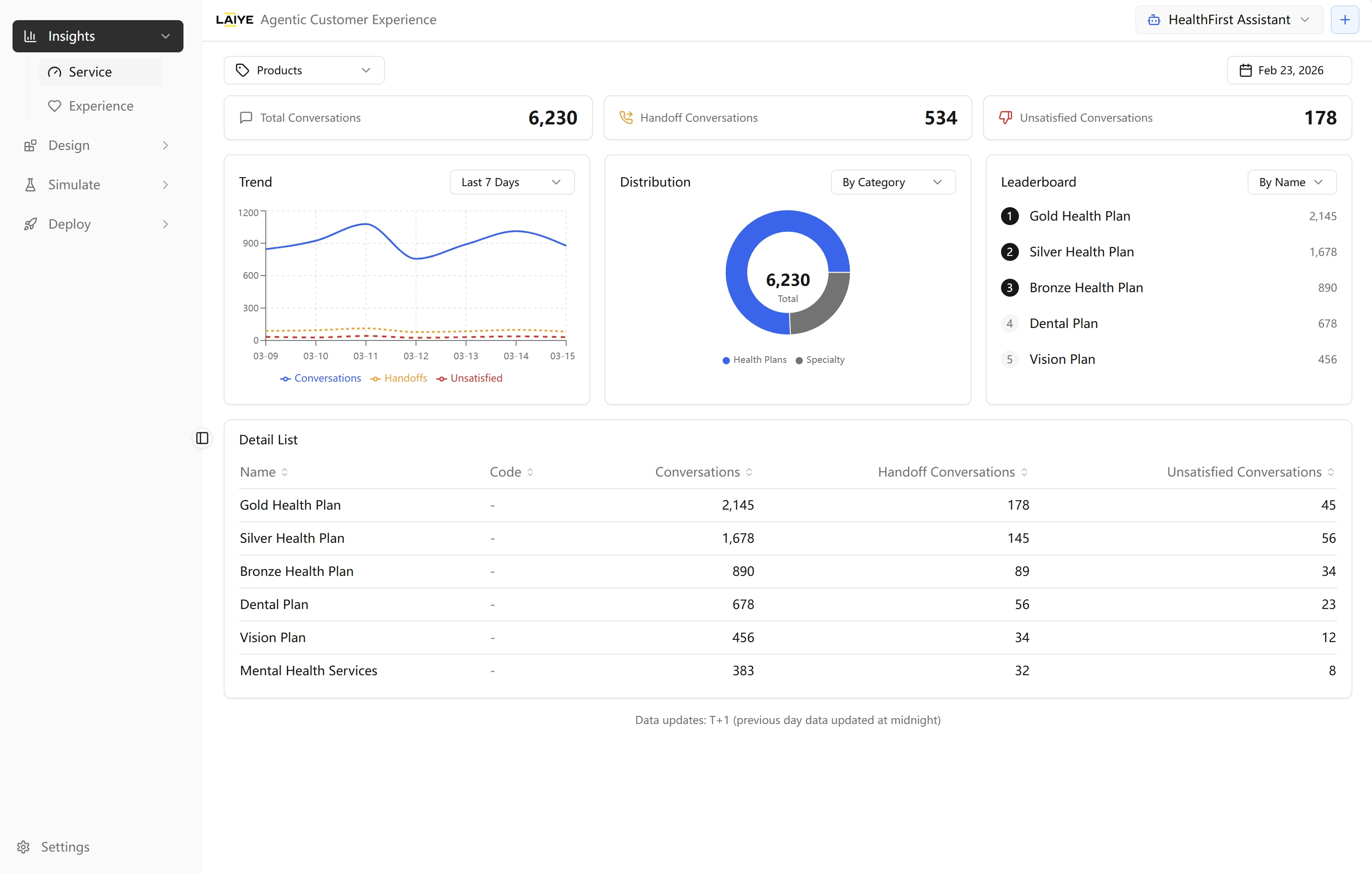
Actionable Business Insights
Surface real-time trends across products, channels, and customer segments. Drill down from high-level KPIs to individual conversation funnels — so your team makes data-driven decisions.
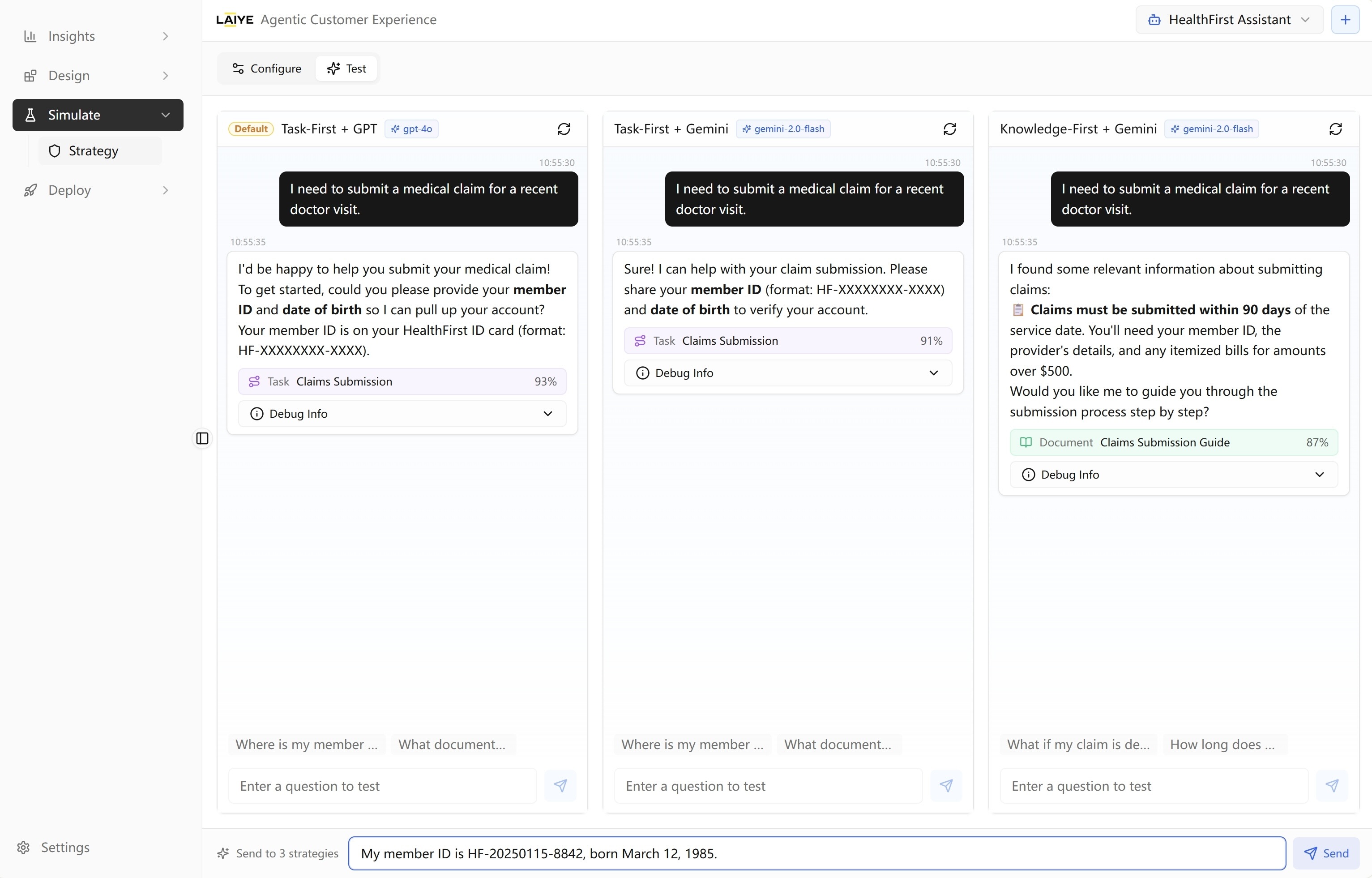
Strategy & Optimization
Deploy multiple response strategies and compare performance with live testing. Analyze agent responses to surface optimization opportunities — from clustering fallback replies to automatically detecting and improving matched response quality.
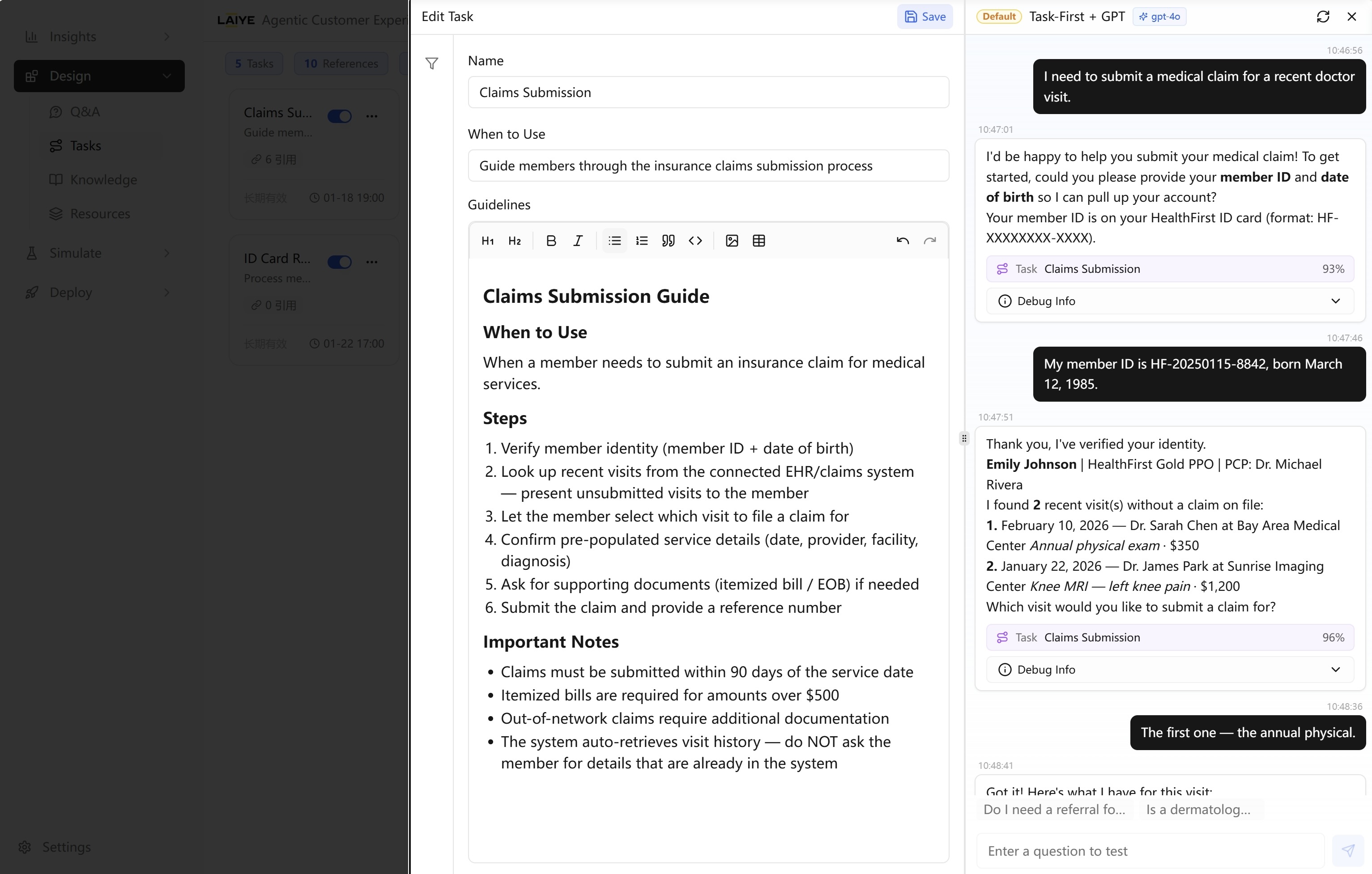
SOP-Driven Multi-Turn Conversations
Define service workflows as natural-language SOPs, and the AI agent executes them step-by-step across multiple turns. From returns to account changes, every process stays on track — no rigid decision trees needed.
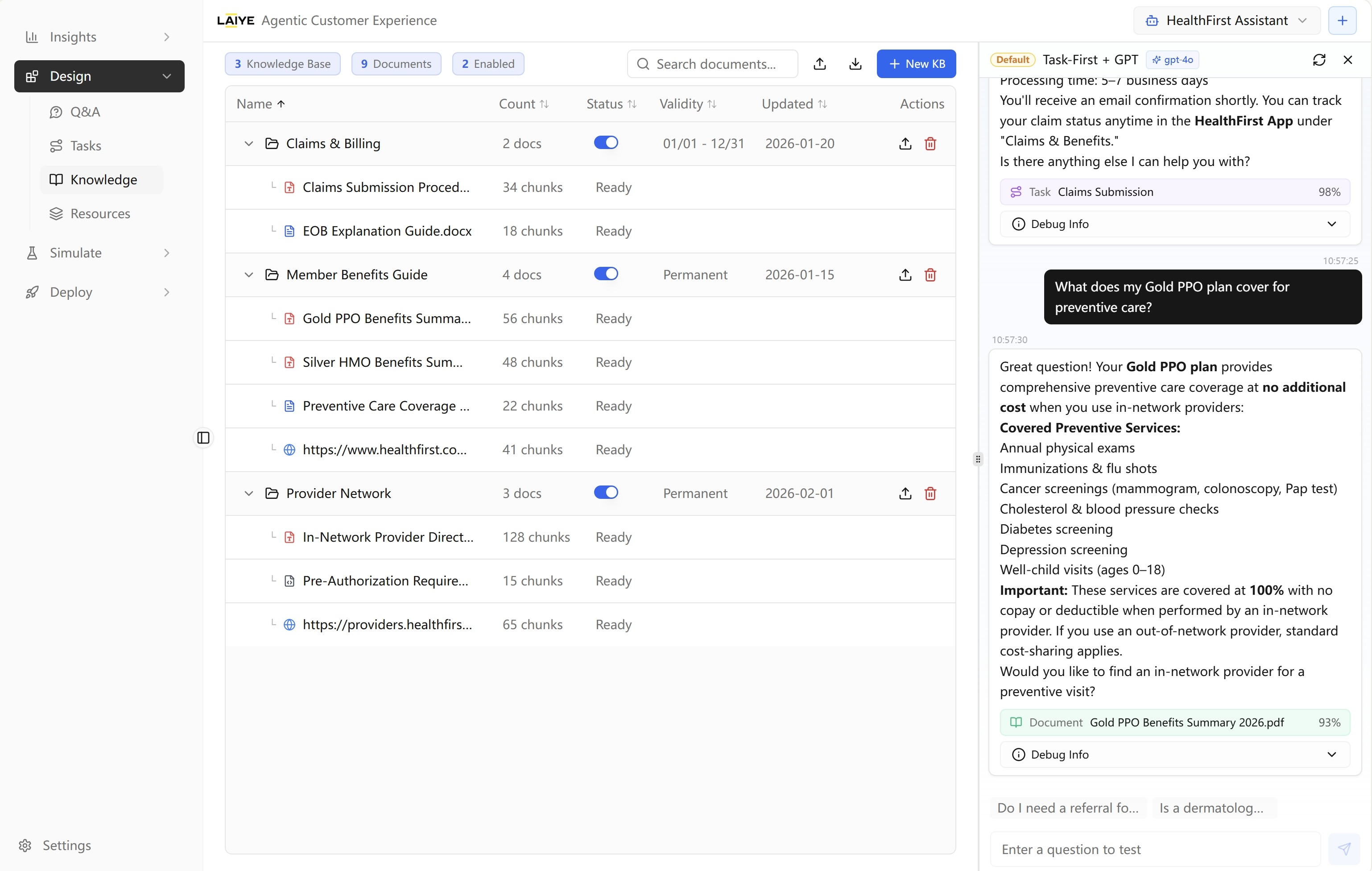
Universal Knowledge Base
Ingest documents, URLs, plain text, images, and structured data into a unified knowledge layer. Built-in citation analytics track how each piece of knowledge is matched and used, with instant activation — no versioning delays.

Enterprise-Grade Security & Permissions
Role-based access control, data isolation across tenants, and fine-grained permission management ensure your customer data and service configurations stay secure and compliant at every level.
Difference between APA and RPA
While RPA relies on manual labor to scale, APA leverages AI Agents to handle marginal costs, making long-tail automation economically viable.
(AI provides judgment and decision making capabilities for processes)
(only rule-based processes)
(still powered by code execution)
(code execution)
(screen operation AI agent)
(code must be modified when the interface changes)
Why Laiye ACX



How APA Scales Automation and Expands Business Boundaries

10x Developer Pool: Empowering Everyone to Build
APA leverages Agent-driven Development to transform complex programming logic into natural language oversight. This allows RPA engineers, IT team, business analysts, and even domain experts to participate in automation. By shifting automation from a scarce expert dependent resource to a scalable system capability, APA expands the pool of potential builders by an entire order of magnitude.
10x Scenario Coverage: Making Every Process Worth Automating
APA drastically lowers the cost of building and maintaining long-tail processes. With Built-in LLM Commands to handle non-standard decision-making and Computer Use Agents to manage frequent UI changes, scenarios that were previously impossible to automate now possess clear commercial value. APA extends enterprise automation coverage from the top 10% to over 50%, ensuring intelligent automation reaches every corner of the business
Differences between SaaS Version & On-premise Version
Differences among different types
Differences between community & enterprise versions
Differences between community version & enterprise version

RPA in the future
RPA remains essential for digital transformation.
Simplify automation: Low-code platforms let anyone build robots.
Wide compliance: Runs on old systems without costly transfering.
Handles complex tasks: Manages tasks across multiple apps.
Self learning: Cloud and API integration enhance automation.
Build digital worker: Advanced AI agents are deployed on your system to be utilized in any business scenarios.
Agent marketplace: With a user-friendly interfacing, anyone can run automation directly on MCP-supported systems.
Cognitive Automation: Simply tell the agents your needs, and they will reason and follow the steps.
Empower employees: free employees from repetitive tasks and work on productive jobs.
Human-AI collaboration: chat with agents to push actions. Auto-alerts are triggered when problems appear.
Developing skills: learn and build automation workflows without coding knowledge. Draw and share experience in our developers community.

RPA Center of Excellence
The RPA CoE (center of excellence) is a team that:
✓Shares the best ways to use automation across departments
✓Makes sure the data can be utilized on all systems
✓Automates workflows for the enterprise
For businesses, CoE makes decisions faster, gets more value from data base and significantly cuts costs.
For employees, they can learn automation skills, spend less time on busywork and focus on creative thinking.
IDP in the future
LLM-driven IDP can understand sentences and further do analysis. For instance, IDP can evaluate clause that may impact your business and simulate costs of every step. Based on actionable suggestions, decision-making is no longer an issue.
To accelerate document processing, we let specific models work together. The workflow is like a pipeline; text, images, tables, etc. are analyzed and become your own database to generate AI business insights.
Connect your CRM system with Laiye IDP to get structured data resources for utilization. Built your chain of value, from database to business insights.